

A lost parrot can be hard to find, but quick action can make a real difference. If your parrot flies away, stay calm and start your search at once. A pet bird may stay close to home at first. However, it may also move from tree to tree or land on a roof, fence, or balcony.
This guide explains how to find a lost parrot step by step. You will learn what to do in the first few hours, where to search, how to use food and familiar sounds, and how to ask others for help. You will also learn how training can help with future parrot recovery.
What to Do When Your Parrot Flies Away
The first few minutes matter. However, do not rush outside without a plan. Take a breath and note the direction your bird took.
First, check nearby trees, roofs, power lines, balconies, and gardens. Look for places where your parrot could perch. Then listen for calls. Your bird may answer when you call its name or use a sound it knows.
Keep the cage near the place where the bird escaped. Leave the cage door open if it is safe to do so. Add a favorite toy, perch, food bowl, or other familiar item. These items may help your bird recognize a safe place.
If someone is with you, ask them to watch the home while you search nearby. This can help if your parrot returns while you are away.
How to Find a Lost Parrot: Start Close to Home
When you have a missing parrot, it is easy to search too wide an area. Instead, start close to the escape point.
Walk slowly around your home and nearby streets. Check trees, roof edges, balconies, yards, fences, and quiet corners. Stop often and listen. A parrot may be easier to hear than see.
Search the same area more than once. Light, wind, traffic, and other sounds can change what you hear. Also, a bird may move after you leave an area.
Do not assume that an escaped bird will fly in a straight line. A scared bird may land after a short flight. It may then move again when it hears a loud sound or becomes hungry.
Use Your Parrot's Name and Familiar Sounds
Call your bird in a calm voice. Use the same words you use at home. If your parrot knows a whistle, phrase, or contact call, use it as well.
However, avoid shouting for a long time. A scared bird may become quiet and stay still. Pause between calls so you can listen for an answer.
You can also play a short recording of your parrot's normal calls if you have one. Keep the sound at a normal level. The goal is to get your bird's attention, not frighten it.

Make Your Home Easy for Your Bird to Recognize
A lost pet bird may not know how to return on its own. Make your home look and sound like a safe place.
Place the open cage in a visible and secure spot. Put familiar toys inside or near it. You can also place your bird's usual food and water where your parrot can see them.
If you have another bird, keep safety in mind. Do not place another bird outside without a secure cage. A second bird may attract your lost parrot, but it should never be put at risk.
Use normal daily sounds too. For example, your parrot may know the sound of its cage door, a favorite toy, or a family member's voice. These small clues may help your bird recognize home.
Use Food to Encourage a Safe Return
Food can help during parrot recovery, especially when your bird knows the food and treats you use at home.
Use foods your parrot already enjoys. Small pieces of a favorite fruit, vegetables, seeds, or familiar treats may work. Avoid making large changes to your bird's diet during the search.
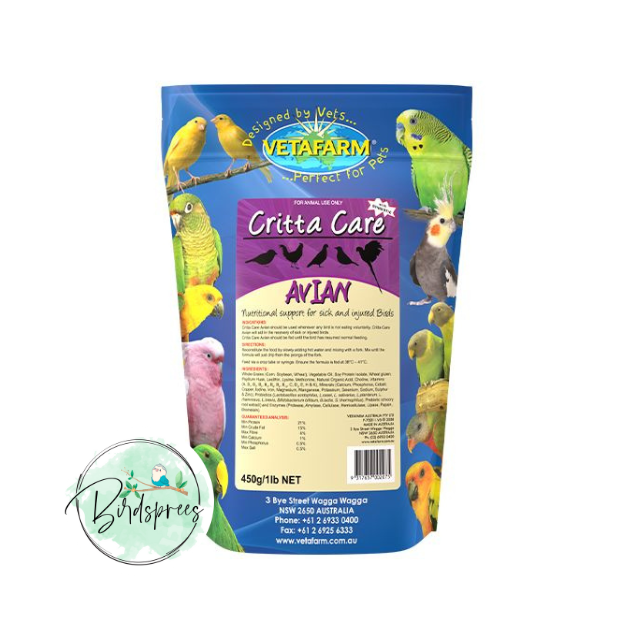
Birdsprees offers a range of foods for parrots that can help you keep familiar food available. Familiar parrot foods may be more useful than trying something new during a stressful search.
If your parrot comes close but will not land, stay calm. Do not chase it. Chasing can make the bird fly farther away. Instead, keep the cage and food visible and give your bird time.
Do Not Use Unsafe Foods
Do not leave food outside that may harm birds or attract pests. Also, avoid foods that are unsafe for parrots.
If you are unsure about a food, use something your bird already eats or ask an avian vet. Water is also important, especially in hot weather.
Place fresh water in a safe spot near the cage when possible. However, keep the area quiet and avoid creating a crowd around the cage.
Tell Other People About the Missing Parrot
A lost parrot is easier to find when more people know about it. Tell your family, neighbors, building staff, local shops, and nearby bird owners.
Create a simple lost bird notice. Include a clear photo, your bird's name, species, color, key markings, and the area where it went missing. Add a safe way to contact you.
Post the notice in local community groups and pet groups. You can also contact nearby animal shelters, bird rescues, veterinary clinics, and animal services.
When you post online, avoid sharing more personal information than needed. Use a contact method that you can check often.
Share a Clear Photo and Useful Details
A good photo can help someone identify your bird quickly. Use a clear picture that shows the face, body color, tail, and special marks.
Include details such as whether your parrot can talk, whistle, step up, or respond to its name. Mention any words or sounds that may help someone gain its attention.
If your bird has a leg band or other ID, keep those details private at first. Ask anyone who claims to have found the bird to describe it before you share every identifying detail.
This simple step can help you check whether a report is genuine.
What to Do If Someone Spots Your Parrot
If someone reports a sighting, ask for the exact location and time. Ask where the bird flew next. Then go to the area calmly.
Take the cage, familiar food, a towel, and a favorite perch if you have one. You may also bring a small amount of bird training treats.
Do not run toward the bird. Do not throw objects or try to grab it from a high branch. A frightened parrot can fly much farther in seconds.
Instead, stand nearby and use a calm voice. If the bird knows step-up training, use the same cue you use at home.
Can Bird Training Help With Parrot Recovery?
Yes, basic training can help with parrot recovery. However, training should be gentle and based on trust.
A bird that knows its name, a recall cue, and a step-up cue may be easier to guide. You can build these skills at home before an escape happens.
Bird training treats can help reward good behavior. A bird training clicker can also mark the exact moment your parrot does the right thing.
Keep training sessions short and positive. If your bird enjoys the session, it is more likely to stay focused.
You can use small treats as rewards. The goal is not to force your bird to obey. Instead, you want to build a strong habit of coming back to you.
Keep Searching After the First Day
Do not stop looking after a few hours. A missing parrot may remain quiet during the day and become active later.
Repeat your search area. Check the same trees and buildings again. Ask neighbors to check their yards, balconies, sheds, and roof areas.
Refresh online posts when you have new information. If someone reports a sighting, update your notice with the latest area. However, keep the message clear so people do not get confused by old details.
Weather can also change your search plan. Strong wind or heavy rain may cause a bird to seek shelter. On a hot day, focus on shaded areas and places near water.
What If Your Parrot Lands on a High Tree?
A high tree can be hard to handle. Do not climb an unsafe tree or ask someone to take a dangerous risk.
Instead, keep the area calm. Place the cage where the bird can see it if possible. Use familiar calls and food. Ask nearby people to watch the bird from a safe distance.
If the bird stays high for a long time, contact a local bird rescue group or animal service for advice. Professional help may be needed if the bird is stuck or injured.
Prepare Before Another Escape Happens
The best time to prepare for a lost parrot is before an escape happens. Check doors, windows, screens, and balcony gaps. Use a secure carrier when moving your bird outside the home.
It also helps to keep recent photos of your parrot. Save clear pictures on your phone so you can post them quickly.
Keep your bird's name, species, age, color, and vet contact details in one place. If your bird has an ID or band, keep a record of it.
Training also helps. Practice recall, step-up, and calm handling in a safe indoor space. Reward your bird when it comes to you.

Choose Familiar Parrot Foods and Treats
Good training starts with rewards your bird likes. You do not need large treats. Small rewards can work well during short sessions.
Birdsprees offers parrot foods, treats, and training items that can support daily bird care. Familiar parrot bird food can also help you keep your bird's normal diet on hand.
Remember that treats should not replace a balanced daily diet. Choose food that fits your bird's needs and follow feeding advice from your avian vet.
Training should also stay fun. Use a reward when your bird comes to you, steps up, or responds to a recall cue. Over time, these habits can become useful if your bird ever gets outside.
A Simple Lost Parrot Recovery Checklist
When a parrot escapes, it can be hard to remember every step. Use this quick checklist:
-
Stay calm and note the direction of flight.
-
Search trees, roofs, balconies, fences, and nearby yards.
-
Call your parrot using its name and familiar sounds.
-
Keep the cage open in a safe and visible place.
-
Add familiar food, water, toys, and perches.
-
Ask neighbors and family members to help.
-
Post a clear lost bird notice online.
-
Contact nearby shelters, rescues, and vet clinics.
-
Record every sighting with the time and location.
-
Never chase or scare the bird.
The key is to stay patient. A bird may not return on the first call. Keep checking and use the same calm approach.
Final Thoughts
A lost parrot can turn a normal day into a stressful search. Still, fast action, calm behavior, and a clear plan can help you find your bird.
Start close to home. Use familiar sounds, the cage, known foods, and trusted people. Then expand the search as you get new clues.
Training can also help before an escape happens. Recall, step-up, and calm handling can make future recovery easier.
If you care for a parrot, keep its photos, food, training treats, and key details ready. A little planning now can save time when every minute matters. Contact us today if you need help choosing the right food, treats, or training supplies for your parrot.
FAQs About a Lost Parrot
-
How far can a lost parrot fly?
It depends on the bird, weather, fear level, and surroundings. Some birds may stay close to home, while others can travel farther. Start close to the escape point and expand the search as you get new clues. -
What should I do first when my parrot escapes?
Keep calm, note the direction of flight, and search nearby places. Call your parrot using its name and familiar sounds. At the same time, keep the cage and familiar food ready at home. -
Should I chase a lost parrot?
No. Chasing can scare the bird and make it fly farther. Stay calm and try to guide the bird toward its cage with familiar sounds, food, and trusted training cues. -
Can food bring a missing parrot back?
Food may help, especially if it is food your bird already knows and enjoys. Place it near a visible cage in a safe spot. Do not rely on food alone. Keep searching and ask others to watch for sightings. -
Should I use a bird training clicker after my parrot escapes?
A clicker may help if your bird already knows the sound and connects it with a reward. If your parrot has never used one, do not start complex training during an emergency. -
What should I put on a lost bird poster?
Use a clear photo, bird name, species, color, key marks, last known location, and a safe contact method. Add useful behavior details, such as words or sounds your bird knows.