
What size toys are safe for my parrot? This is one of the most important questions bird owners should ask before purchasing new toys. While colorful and entertaining toys may look appealing, choosing the wrong size can create serious safety risks for your feathered companion.
Parrots rely on toys for exercise, mental stimulation, beak health, and enrichment. However, a toy that is too small can become a choking hazard. On the other hand, a toy that is too large may intimidate your bird or even cause injury.
Every parrot species has unique needs. A budgie requires very different toys than a macaw. Factors such as body size, beak power, activity level, and chewing strength all play a role in selecting the safest toy.
This guide explains how to choose the right toy size for small, medium, and large parrots while helping you avoid common mistakes that can affect your bird's health and safety.
Why Toy Size Matters More Than Most Owners Realize
Choosing the right toy size is essential for your parrot's safety, comfort, and enjoyment. A toy that is too small or too large may not only discourage play but can also increase the risk of injury. Selecting toys that match your bird's size and chewing strength helps encourage natural behaviors and keeps playtime both fun and safe.
Many bird owners focus on toy color, materials, or price. While those factors are important, toy size should always be one of the first considerations.
The wrong toy size can lead to:
-
Choking hazards
-
Entanglement risks
-
Foot injuries
-
Beak injuries
-
Fear and stress
-
Reduced play activity
A properly sized toy encourages healthy interaction and supports your bird's natural behaviors.
In addition, the right toy helps prevent boredom, which is a common cause of behavioral problems in parrots.
Understanding the Relationship Between Toy Size and Chewing Strength
Choosing the right toy involves more than matching it to your bird's size. Every parrot species has a different beak strength and play style, which directly affects the type and durability of toys they need. Understanding your bird's chewing strength helps you select toys that are both safe and engaging while reducing the risk of damage or injury. Before choosing any toy, it is important to understand your bird's chewing strength. Chewing strength varies significantly between species.
For example:
-
Budgies have delicate beaks.
-
Cockatiels have moderate chewing power.
-
Conures enjoy shredding softer materials.
-
African Greys prefer problem-solving toys.
-
Amazons have powerful beaks.
-
Macaws can destroy toys designed for smaller birds within minutes.
Therefore, toy size and material durability should always match your bird's chewing strength.
A toy may be physically large enough, but if it breaks apart too easily, it can still create safety risks.

Toy Size Guide: Matching Toys to Bird Size
Choosing toys based on your parrot's size is one of the easiest ways to improve safety and encourage healthy play. A properly sized toy allows your bird to grip, chew, and interact comfortably without increasing the risk of injury. While every parrot has unique preferences, using a general toy size can help you select products that match your bird's physical needs and chewing ability.
Although individual preferences vary, the following recommendations provide a useful starting point.
Small parrots include:
-
Budgies
-
Parrotlets
-
Lovebirds
-
Small cockatiels
These birds need lightweight toys they can manipulate comfortably.
Good small parrot toys include:
-
Mini shredding toys
-
Lightweight swings
-
Small bells designed for birds
-
Soft wood chew toys
-
Small foraging toys
Toys should be easy to grip and carry.
If a toy appears oversized compared to your bird, it may discourage interaction.
Medium Parrots include:
-
Conures
-
Quakers
-
Senegals
-
Caiques
-
Indian Ringnecks
These birds typically enjoy more challenging enrichment.
Recommended Toy Sizes
Medium parrots often benefit from:
-
Medium wood blocks
-
Rope toys
-
Puzzle toys
-
Foraging stations
-
Climbing structures
Because these species have stronger beaks, toys should also be more durable.
Large parrots include:
-
African Greys
-
Amazons
-
Eclectus parrots
-
Cockatoos
-
Macaws
Large parrot toys must withstand significant chewing power.
Best Large Parrot Toys
Appropriate options include:
-
Thick wood chew toys
-
Heavy-duty ropes
-
Large foraging systems
-
Durable acrylic toys
-
Strong climbing equipment
Large parrots often destroy small bird toys quickly. Therefore, size and durability must work together.
Common Safety Risks Associated with Incorrect Toy Sizes
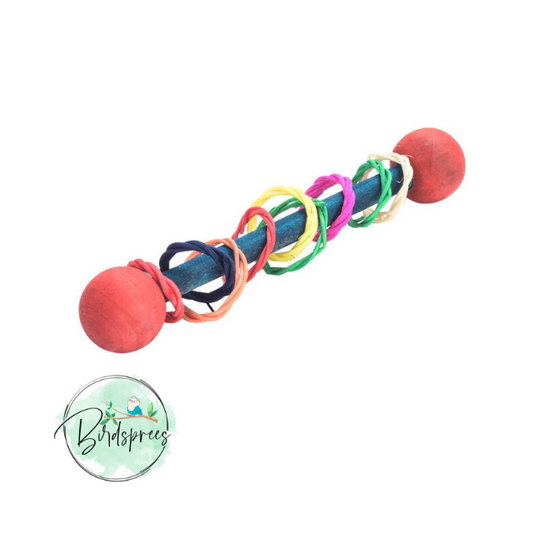
Selecting the right toy size is not just about keeping your parrot entertained it is also essential for preventing injuries and ensuring safe play. A toy that is too small, too large, or not suited to your bird's species can create unnecessary hazards. Understanding these risks helps owners make smarter choices and provide a safer environment for their feathered companions. Safety should always take priority over appearance. Unfortunately, many toy-related injuries occur because owners select toys that are not properly sized.
Choking Hazards
One of the most serious safety risks involves small removable parts.
Items such as:
-
Tiny beads
-
Loose bells
-
Small clips
-
Plastic fragments
can become dangerous if swallowed.
Always inspect toys before introducing them to your bird.
Foot Entrapment
Some toys contain openings large enough for toes to become trapped. This risk increases when toy dimensions do not match your bird's size. Regular inspection helps prevent accidents.
Beak Injuries
Toys that are too hard or poorly designed can damage beaks. Likewise, toys intended for large parrots may be unsuitable for smaller species.
Entanglement Hazards
Long strings, frayed ropes, and loose fibers can wrap around feet, wings, or necks. Choose bird-safe products designed specifically for your species.
How to Evaluate Small Parrot Toys Safely
Small parrots may be tiny in size, but they have unique play preferences and specific safety needs. Choosing the right toys for smaller species requires careful attention to weight, materials, and overall design. Toys that are easy to handle and safe to chew can provide hours of enrichment while supporting your bird's natural behaviors.
Small parrots often prefer toys they can manipulate independently.
When evaluating small parrot toys, ask:
-
Can my bird hold it comfortably?
-
Is it lightweight enough?
-
Are there any loose parts?
-
Does the material shred safely?
Smaller species frequently enjoy toys that encourage exploration and gentle chewing.
For example, paper-based toys often provide excellent enrichment.
How to Evaluate Large Parrot Toys Safely
Large parrots have strong beaks and high energy levels, which means they require toys that are built to withstand intense chewing and active play. Choosing toys that are too small or poorly constructed can create serious safety risks. Selecting durable products designed specifically for larger species helps keep your bird engaged while reducing the likelihood of injury. Their powerful beaks can destroy toys rapidly.
When shopping for large parrot toys, consider:
-
Material thickness
-
Hardware strength
-
Durability
-
Construction quality
Weak components can break unexpectedly.
As a result, large parrots may ingest unsafe materials.
Always choose products specifically labeled for larger species.
Signs a Toy Is Too Small for Your Parrot
Choosing the correct toy size is essential for your parrot's safety. Toys that are too small may seem harmless, but they can quickly become choking hazards or break apart under strong beaks. Recognizing the warning signs early can help you prevent accidents and ensure your bird has safe, appropriate enrichment.
Watch for these warning signs:
-
The toy fits entirely inside the beak.
-
Your bird destroys it immediately.
-
Parts break off easily.
-
The bird attempts to swallow components.
-
Hardware appears fragile.
If any of these occur, replace the toy immediately.
Signs a Toy Is Too Large for Your Parrot
While undersized toys can be dangerous, oversized toys can also negatively affect your parrot's comfort and willingness to play. A toy that is too large may feel intimidating, take up valuable cage space, or prevent your bird from interacting with it naturally. Choosing appropriately sized toys helps create a positive and enriching environment that encourages regular play.
A toy may be too large if:
-
Your bird avoids it consistently.
-
The toy overwhelms cage space.
-
Your bird appears fearful.
-
It limits movement within the cage.
The goal is enrichment, not intimidation.
Choose toys that encourage interaction rather than discourage it.

The Importance of Toy Rotation
Providing the right toy size is important, but keeping your parrot mentally stimulated requires variety as well. Even the most engaging toys can become less interesting when they remain in the cage for long periods. Regular toy rotation helps maintain your bird's curiosity and encourages continued exploration and play. Even perfectly sized toys lose effectiveness when they remain unchanged.
Prevents Boredom
Parrots are intelligent animals.
Seeing the same toy every day can reduce interest over time.
Encourages Exploration
New toy arrangements create fresh experiences.
This stimulates curiosity and supports mental health.
Improves Safety Monitoring
Rotating toys allows owners to inspect products regularly.
Damaged items can be removed before they become hazardous.
Most parrots benefit from rotating toys every one to two weeks.
How Cage Size Affects Toy Selection
When choosing toys for your parrot, it is important to consider the size of the cage as well as the size of your bird. Even safe and appropriately sized toys can become problematic if they overcrowd the enclosure. A well-balanced setup provides enrichment while still allowing your parrot to move freely and comfortably throughout its living space.
A large toy inside a small cage can limit movement.
Birds need room to:
-
Stretch wings
-
Climb
-
Move between perches
-
Access food and water
Avoid overcrowding the cage.
Instead, maintain a balance between enrichment and usable space.
Different Types of Toys and Their Size Considerations
Not all parrot toys follow the same sizing guidelines. Different toy categories serve different purposes, and each type should be selected based on your bird's size, chewing strength, and activity level. Understanding these differences can help you provide safer and more effective enrichment for your parrot.
Foraging Toys
Foraging toys should match both beak size and skill level.
Birds should access rewards without frustration.
Climbing Toys
Climbing toys should support the bird's weight comfortably.
Check rope thickness and ladder spacing carefully.
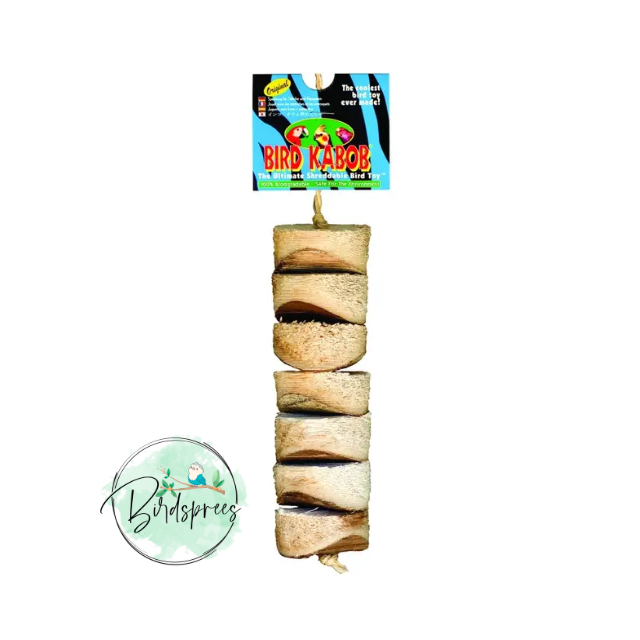
Chew Toys
Chew toys should align with chewing strength.
Soft woods suit smaller birds.
Harder woods often work better for larger parrots.
Puzzle Toys
Puzzle toys should challenge your bird without becoming impossible to use.
Difficulty should match intelligence and experience level.
Beginner Mistakes When Choosing Toy Sizes
Many first-time bird owners make similar purchasing errors.
Understanding these beginner mistakes helps improve safety.
Buying Toys Based Only on Appearance
Attractive toys may not be appropriate for your bird.
Always prioritize functionality and safety.
Ignoring Species Recommendations
Manufacturers typically indicate suitable species.
These recommendations exist for a reason.
Choosing Toys That Are Too Small
Undersized toys create many avoidable hazards.
Always compare dimensions carefully before purchasing.
Failing to Inspect New Toys
Even high-quality products should be inspected before use.
Check:
-
Knots
-
Hardware
-
Fasteners
-
Loose pieces
Not Considering Chewing Strength
A toy suitable for a cockatiel may not survive a cockatoo.
Matching toys to chewing strength is essential.
Building a Balanced Toy Collection
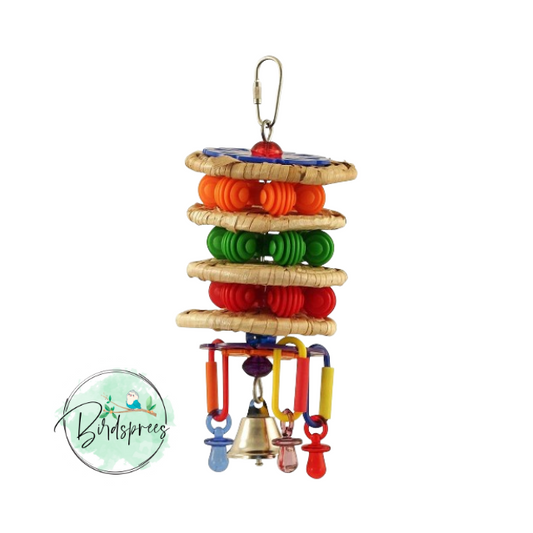
Providing a variety of toys is just as important as choosing the correct size. Parrots are highly intelligent and active birds that benefit from different forms of enrichment throughout the day. A diverse toy collection helps satisfy natural instincts, encourages exercise, and prevents boredom-related behaviors.
Rather than purchasing only one type of toy, aim to create a balanced collection that offers different textures, activities, and challenges.
A balanced setup may include:
-
Chew toys
-
Foraging toys
-
Puzzle toys
-
Climbing toys
-
Shredding toys
This variety supports physical activity and mental enrichment.
Furthermore, it keeps your parrot engaged and reduces destructive behavior.
How Often Should Toys Be Replaced?
Regular toy inspection and replacement are essential parts of parrot care. The lifespan of a toy can vary greatly depending on your bird's size, chewing strength, and activity level. While some toys may last for months, others may need replacement much sooner. Monitoring the condition of your parrot's toys helps ensure that playtime remains both safe and enjoyable.
Replacement frequency depends on:
-
Species
-
Activity level
-
Chewing habits
-
Toy materials
Some birds destroy toys within days.
Others may use them for months.
Replace toys immediately if you notice:
-
Sharp edges
-
Broken parts
-
Frayed ropes
-
Rusted hardware
-
Missing components
Safety should always come first.
Conclusion
What size toys are safe for my parrot? The answer depends on your bird's species, body size, activity level, and chewing strength. Choosing the correct toy size is one of the easiest ways to improve safety, encourage enrichment, and support healthy behavior.
By following a reliable toy size guide, selecting appropriate small parrot toys or large parrot toys, and understanding common safety risks, bird owners can create a more engaging and secure environment for their pets.
Remember that no single toy works for every bird. The best approach is to match toys to your parrot's individual needs while regularly inspecting and rotating them. A well-chosen toy collection provides exercise, mental stimulation, and hours of safe entertainment.
If you're looking for high-quality bird-safe toys for parrots of every size, visit Birdsprees today to explore a wide range of enrichment products designed with both fun and safety in mind.
-
What size toys are safe for my parrot?
Safe toy sizes depend on your bird's species, size, and chewing strength. Toys should be large enough to prevent swallowing yet comfortable for interaction. -
Are small parrot toys safe for larger birds?
No. Large parrots can quickly destroy small bird toys, creating choking and ingestion hazards. -
How do I know if a toy is too big?
If your bird avoids the toy, appears frightened, or struggles to interact with it, the toy may be oversized. -
Why is chewing strength important when choosing toys?
Chewing strength determines how quickly a bird can damage a toy. Stronger birds require more durable materials and larger toy designs. -
How often should I replace my parrot's toys?
Replace toys whenever they become damaged, unsafe, or heavily worn. Regular inspections help identify potential hazards early. -
Should I rotate my parrot's toys regularly?
Yes. Regular toy rotation helps prevent boredom and keeps your parrot mentally stimulated. Changing toys every few weeks can make familiar items feel new and encourage continued play. -
Can I use homemade toys for my parrot?
Yes, provided they are made from bird-safe materials and do not contain toxic substances, small detachable parts, or unsafe hardware. Always inspect homemade toys regularly to ensure they remain safe for your parrot to use.